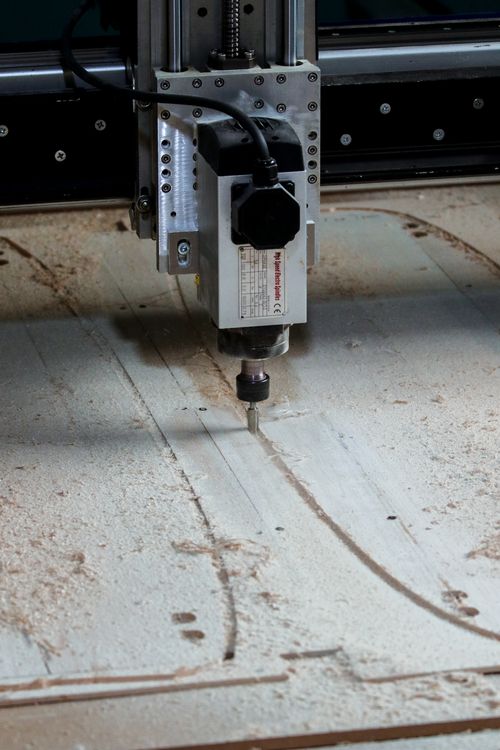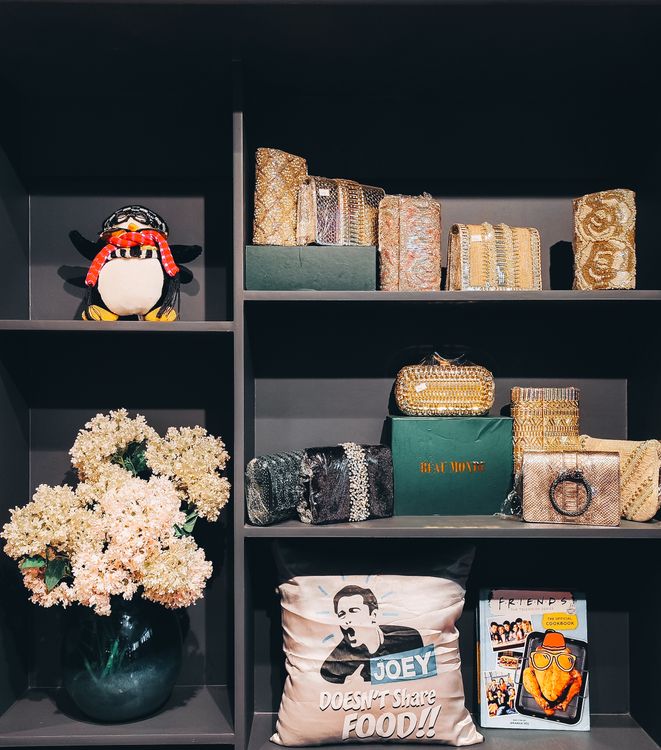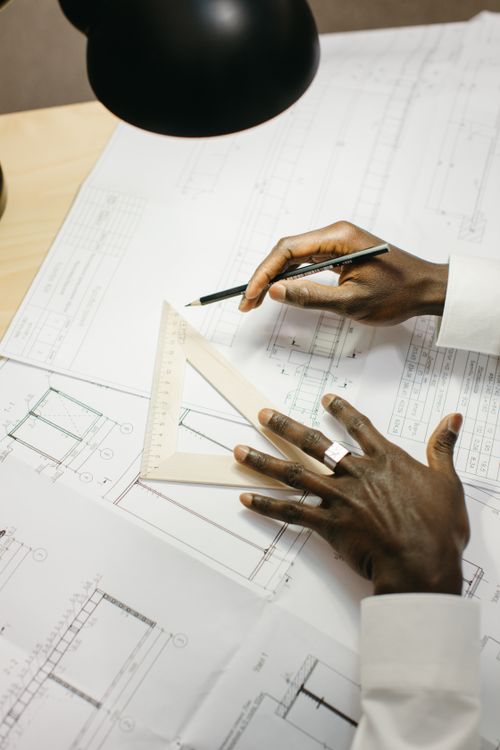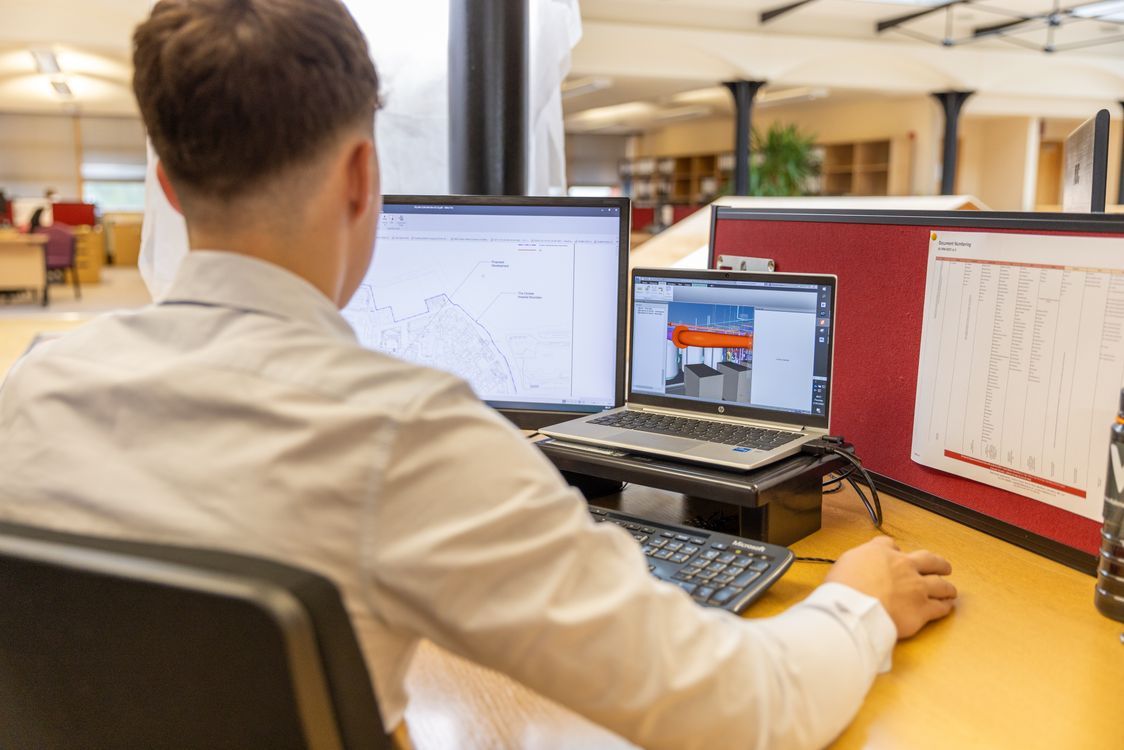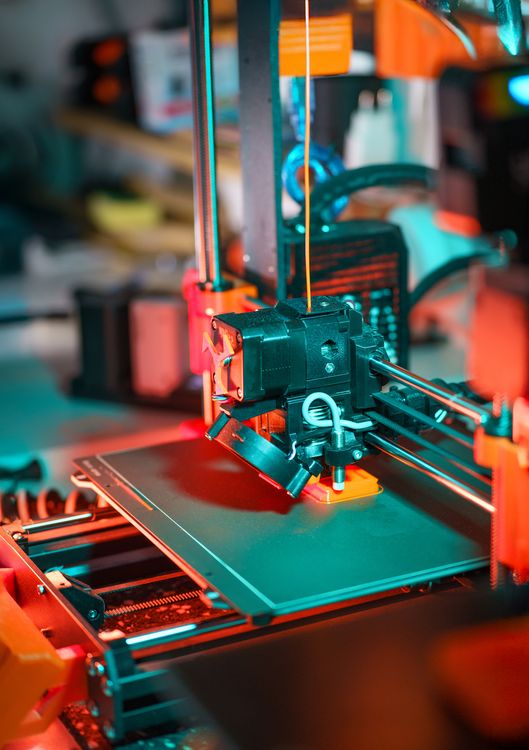
Even a carefully engineered display can behave differently once it becomes a physical object. Materials flex, fasteners create tolerances, graphics align with real surfaces, products are handled by shoppers and assembly instructions meet actual installers. Prototype testing is the stage where those realities can be checked before they are repeated across a full production run.
Confirm Product Fit
The first test is often the simplest: do the real products fit the way the CAD model predicts? Packaging can include small variations, flexible bags, protruding closures or rounded surfaces that are easy to underestimate digitally.
A prototype can confirm shelf spacing, hook positions, dividers, trays and product accessibility. It also shows whether the display presents the correct number of facings and keeps products organized when shoppers remove items.
Check Stability and Structural Behavior
A retail display must remain stable during stocking and customer interaction. Prototype testing can reveal movement, excessive deflection or weak connections before production. For freestanding displays, the loaded center of gravity and floor contact are especially important.
If the display uses shelves, arms or cantilevered parts, physical loading can confirm whether the selected material thickness and reinforcement are appropriate.
Validate the Assembly Sequence
A design can be technically correct but unnecessarily difficult to assemble. A prototype allows the team to build the display in the intended sequence and identify awkward fasteners, inaccessible tools or components that require too many people to handle.
These lessons can be turned into design improvements and clearer installation instructions.
Review Graphics on the Real Structure
Printed graphics often change the way a display feels. A header may appear smaller once merchandise is loaded, a side graphic may be partially blocked, or a seam may fall across important artwork. Testing graphics on a prototype helps the brand and production teams make final positioning decisions using the real geometry.
Test Shipping and Packaging
For multi-location rollouts, the display has to survive more than the retail floor. It may need to ship flat, fit a defined carton size or protect delicate finishes during transport. A prototype can help determine how the unit should be broken down and packed while minimizing assembly work at the destination.
Use the Prototype to Improve Documentation
Prototype feedback should flow back into the CAD model, fabrication drawings and bill of materials. Any changed hole position, new fastener or revised part must be reflected in the final production files.
This step is essential because the prototype itself should not become an undocumented exception. The goal is to make sure the approved improvement can be repeated consistently.
Prototype the Highest-Risk Areas First
A full cosmetic prototype is not always necessary. Depending on the project, a focused test may be more efficient. Teams can prototype a shelf connection, moving mechanism, product tray, graphic panel or other high-risk feature before the complete display is produced.
This approach keeps development practical while still reducing uncertainty.
A Small Test Can Prevent a Large Production Problem
The cost of a prototype should be compared with the cost of correcting a production run. When a display is being manufactured in quantity, one unresolved issue can affect every unit. Prototype testing provides a controlled opportunity to discover those issues while changes are still manageable.
Used together with 3D modeling, CAD drafting, engineering and fabrication drawings, prototyping closes the gap between a technically complete design and a production-ready retail display.